
The Affiliate Marketing Playbook for Back-to-School 2026

LinkHaitao | 2026-07-10
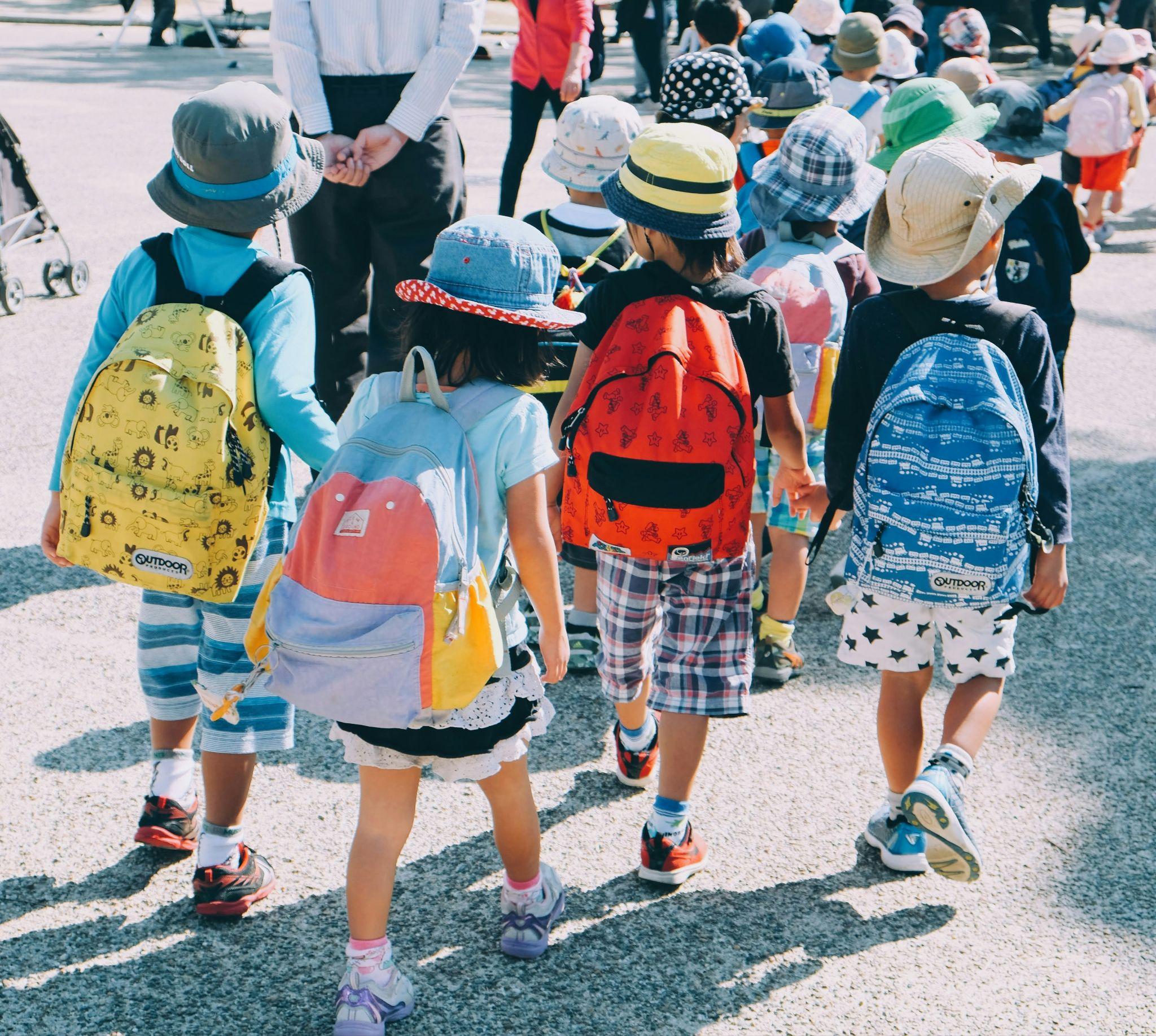
Back-to-school remains one of the most important retail moments of the year, but the 2026 season is shaping up differently from previous years. Consumers are shopping earlier, becoming more price-conscious, and increasingly relying on digital channels and creator recommendations to guide purchase decisions.
For advertisers across fashion, electronics, beauty, office supplies, and education technology, affiliate marketing offers a scalable way to capture demand throughout the extended shopping window. The key is understanding how consumer behavior is evolving and aligning partnerships, promotions, and content strategies accordingly.
Here's how brands can build a stronger affiliate marketing strategy for Back-to-School 2026.
Why Back-to-School 2026 Deserves Early Attention
The traditional back-to-school season is no longer confined to August.
According to the National Retail Federation (NRF), about one-third of back-to-school shoppers had already started browsing and purchasing by early June 2026—the highest level since NRF began tracking the trend in 2018. Younger consumers, particularly Millennials and Gen Z parents, are driving this shift toward earlier shopping.
At the same time, price sensitivity remains a major factor. NRF reported that 78% of shoppers expect higher prices on back-to-school items this year, while many are planning purchases around summer sales and promotional events.
Recent reporting from Reuters also found that families are beginning their shopping earlier as they look to spread costs over a longer period, compare prices, and take advantage of promotions. Nearly half of surveyed families expect to spend more this year, making value-oriented marketing especially important.
For affiliate marketers, this means waiting until August to activate partnerships could leave significant revenue on the table.
The Categories Driving Back-to-School Demand
While notebooks and pencils remain staples, modern back-to-school spending spans multiple categories.
According to NRF data, electronics, apparel, footwear, and school supplies continue to represent the largest spending categories for K-12 shoppers. Online channels remain the most popular shopping destination for back-to-school purchases.

For affiliate advertisers, several categories present particularly strong opportunities:
Fashion and Apparel
Students increasingly view back-to-school shopping as both a necessity and a personal style refresh. Clothing, shoes, backpacks, and accessories remain among the highest-spending categories each year.
Affiliate opportunities include:
●Creator-led outfit inspiration and "first week of school" content
●Capsule wardrobe guides for students
●Backpack, sneaker, and accessories roundups
●Trend-focused social commerce campaigns
Fashion brands can benefit from partnering with lifestyle creators who naturally integrate products into everyday content rather than relying solely on promotional messaging.
Electronics and Technology
Laptops, tablets, headphones, monitors, and productivity accessories continue to be essential purchases for both students and parents.
NRF data shows electronics remain one of the largest back-to-school spending categories, making them highly competitive but also highly lucrative.
High-performing affiliate content often includes:
●Product comparisons
●Study setup videos
●Dorm and desk makeover content
●"Best laptop for students" guides
●Budget versus premium technology recommendations
Because electronics purchases often involve longer consideration cycles, content partnerships should begin well before peak shopping periods.
Beauty and Personal Care
Beauty has become increasingly relevant within back-to-school shopping journeys, particularly among Gen Z consumers.
Skincare routines, everyday makeup products, haircare essentials, and personal care kits frequently appear in back-to-school creator content. Beauty brands can capitalize on:
●GRWM (Get Ready With Me) content
●School-friendly makeup tutorials
●Dorm beauty essentials lists
●Skincare routine recommendations
These formats naturally blend discovery and commerce while providing authentic opportunities for affiliate attribution.
Office Supplies and Stationery
Although often considered a traditional category, stationery continues to perform well when combined with visual and creator-led storytelling.
Content such as:
●Study organization hacks
●Planner setups
●Productivity routines
●Desk organization inspiration
Can help transform commodity products into higher-converting affiliate opportunities.
Education Technology
EdTech brands are uniquely positioned to benefit from the extended back-to-school season.
Products and services including:
●Language learning apps
●Online tutoring platforms
●Study tools
●Note-taking software
●AI-powered educational resources
can leverage affiliate partnerships with education creators, productivity influencers, and student-focused content publishers.
Unlike physical products, many EdTech solutions also offer recurring revenue opportunities through subscription models, creating long-term value for both advertisers and affiliates.
Why Creator Partnerships Matter More Than Ever

The creator economy continues to mature beyond simple sponsored posts.
Recent reporting from Business Insider and The Verge highlights how creators are increasingly building businesses around commerce, product recommendations, and long-term brand partnerships rather than one-off campaigns.
For advertisers, this evolution presents an opportunity.
Affiliate partnerships align creator incentives with performance outcomes. Instead of paying exclusively for reach or impressions, brands can reward partners for actual conversions and measurable sales.
This model is particularly effective during back-to-school because consumers actively seek recommendations before making purchase decisions.
Strong creator partnerships often include:
●Product reviews
●Shopping guides
●Student-focused tutorials
●Dorm room or study setup content
●Social commerce videos
●Seasonal trend reports
These content formats can continue generating traffic and sales long after publication.
Building a High-Performing Back-to-School Affiliate Campaign

1. Launch Earlier Than Previous Years
Consumer shopping timelines are shifting forward.
With one-third of shoppers already purchasing by early June, advertisers should begin affiliate recruitment, content planning, and promotional scheduling much earlier than traditional peak periods.
An ideal timeline includes:
June: Creator outreach and campaign preparation
July: Early shopping promotions and awareness content
August: Conversion-focused campaigns
September: Last-chance and replenishment opportunities
2. Prioritize Value Messaging
Price remains a major consideration for families in 2026. NRF research shows many consumers are actively planning purchases around sales and promotional events.
Affiliate partners should receive:
●Exclusive coupon codes
●Limited-time offers
●Product bundles
●Cashback opportunities
●Free shipping promotions
Clear value propositions can help improve both click-through and conversion rates.
3. Diversify Affiliate Types
Many advertisers focus heavily on influencers while overlooking other high-performing affiliate partners.
A balanced program may include:
●Content publishers
●Review sites
●Coupon and deal partners
●Cashback platforms
●Student-focused communities
●Influencers and creators
Different affiliate types often contribute at different stages of the customer journey, helping create a more comprehensive acquisition strategy.
4. Provide Ready-to-Use Creative Assets
Back-to-school campaigns move quickly.
Brands that equip affiliates with:
●Seasonal banners
●Product images
●Short-form video assets
●Promotional calendars
●Trending product lists
can often achieve faster campaign deployment and more consistent messaging.
5. Monitor Performance in Real Time
Consumer priorities can shift rapidly during seasonal shopping periods.
Tracking performance metrics such as:
●Conversion rates
●Average order value
●Top-performing affiliates
●Promotional effectiveness
●Product-level sales
allows advertisers to optimize budgets and commission structures while campaigns are still active.
Don't Overlook Compliance and Trust
As creator commerce expands, transparency remains essential.
Recent academic research examining affiliate marketing on YouTube found that affiliate links are widespread, but disclosure practices remain inconsistent across creators. Researchers emphasized that transparency helps strengthen trust and supports healthier affiliate ecosystems.
Advertisers should ensure affiliates understand disclosure requirements and provide clear guidance regarding sponsored content and affiliate relationships.
Trust is especially important during back-to-school shopping, when families are making higher-consideration purchases across multiple categories.
The Back-to-School Opportunity for Affiliate Advertisers

Back-to-school 2026 is defined by three major trends: earlier shopping behavior, greater price sensitivity, and growing reliance on creator-driven product discovery.
For advertisers across fashion, electronics, beauty, office supplies, and education technology, affiliate marketing offers a performance-driven way to reach consumers throughout the extended shopping season.
Brands that start early, diversify partnerships, empower creators with valuable content opportunities, and maintain a strong focus on consumer value will be better positioned to capture demand as students, parents, and educators prepare for the new academic year.
As shopping journeys continue to become more digital and creator-influenced, affiliate marketing is no longer simply a supporting channel—it is increasingly becoming a core component of successful seasonal marketing strategies.